
Leugh ann an Gàidhlig / Read in Gaelic
Scotland's wildlife needs our help. Since 1994 we’ve lost 15% of our precious nature, but there is hope. From picking up litter to feeding garden birds, simple actions make a big difference – and boost our wellbeing too. This winter, wrap up warm and discover how you can help nature thrive.
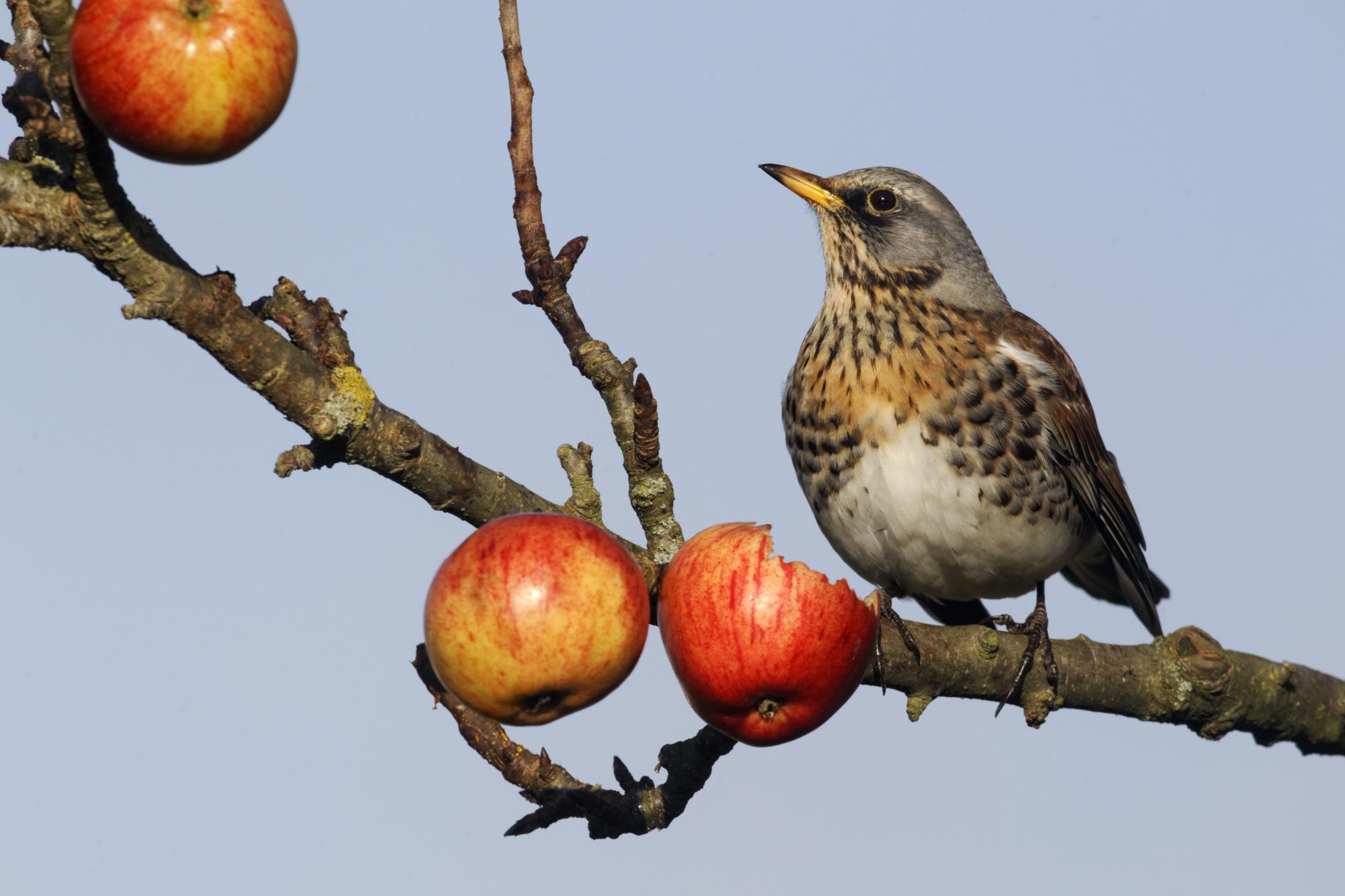
1. Feed the locals
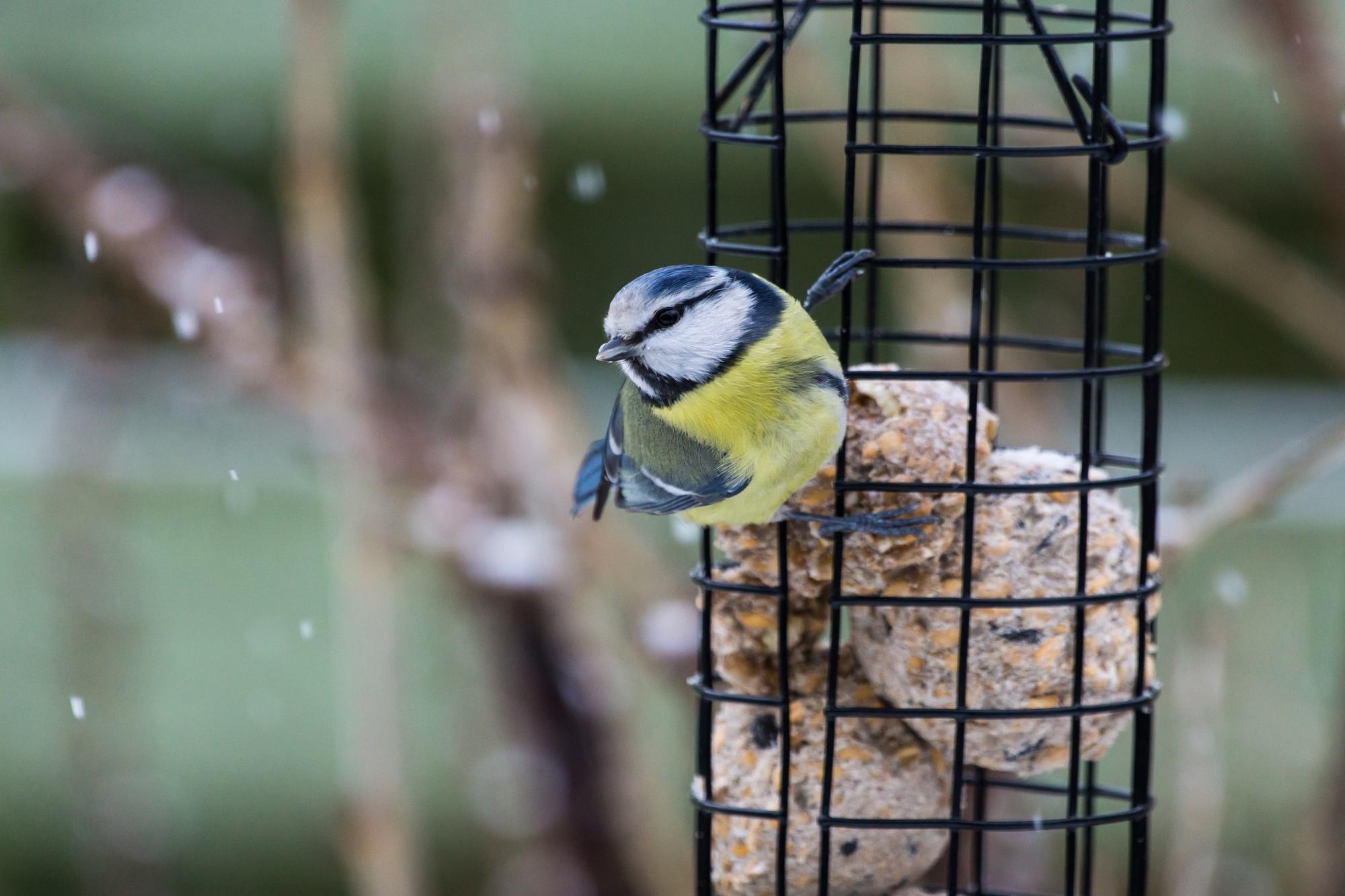
Bruised or overly-soft fruit can be left out for badgers, foxes and birds. Cut fruit in half and leave on grass or spike on a tree branch. If cats or dogs are nearby avoid grapes and dried fruit as these can cause them harm.
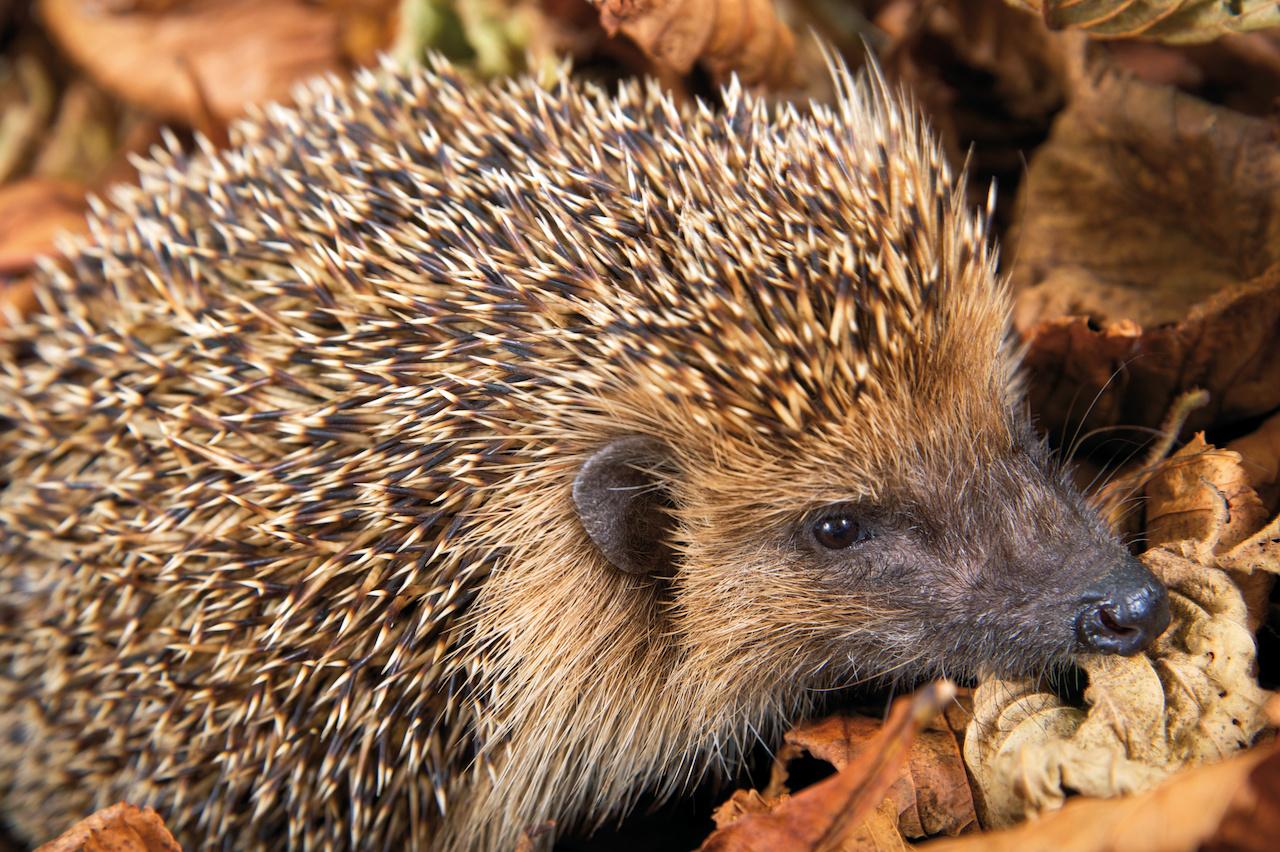
2. Encourage lazy gardening
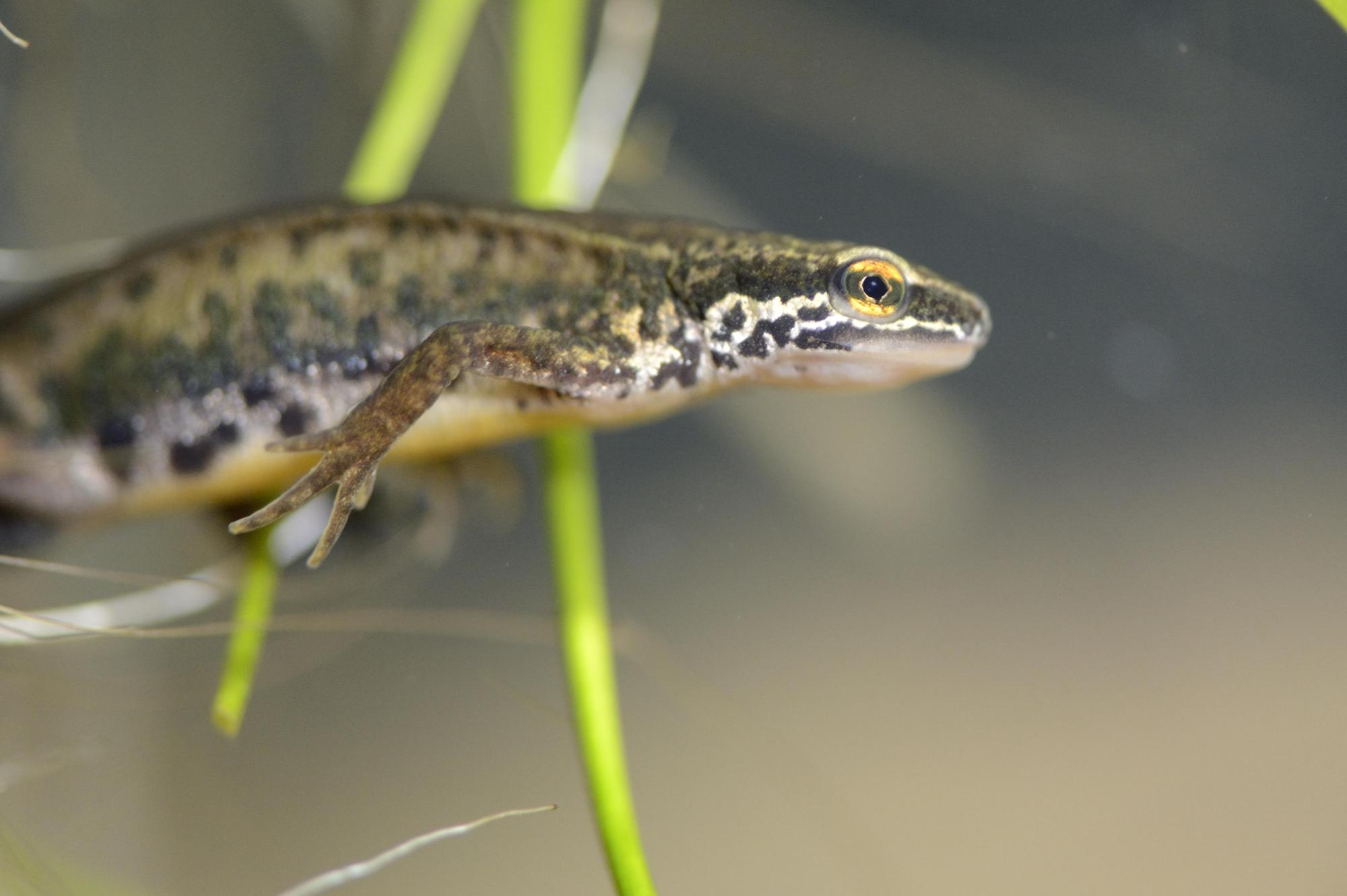
Leaving areas overgrown or filled with leaves gives insects, amphibians and small animals a cosy place to hide during colder months. Leave plants intact with seed heads as many insects overwinter in hollow stems. If you've no garden, encourage friends, councils, and businesses with outdoor spaces to do this.
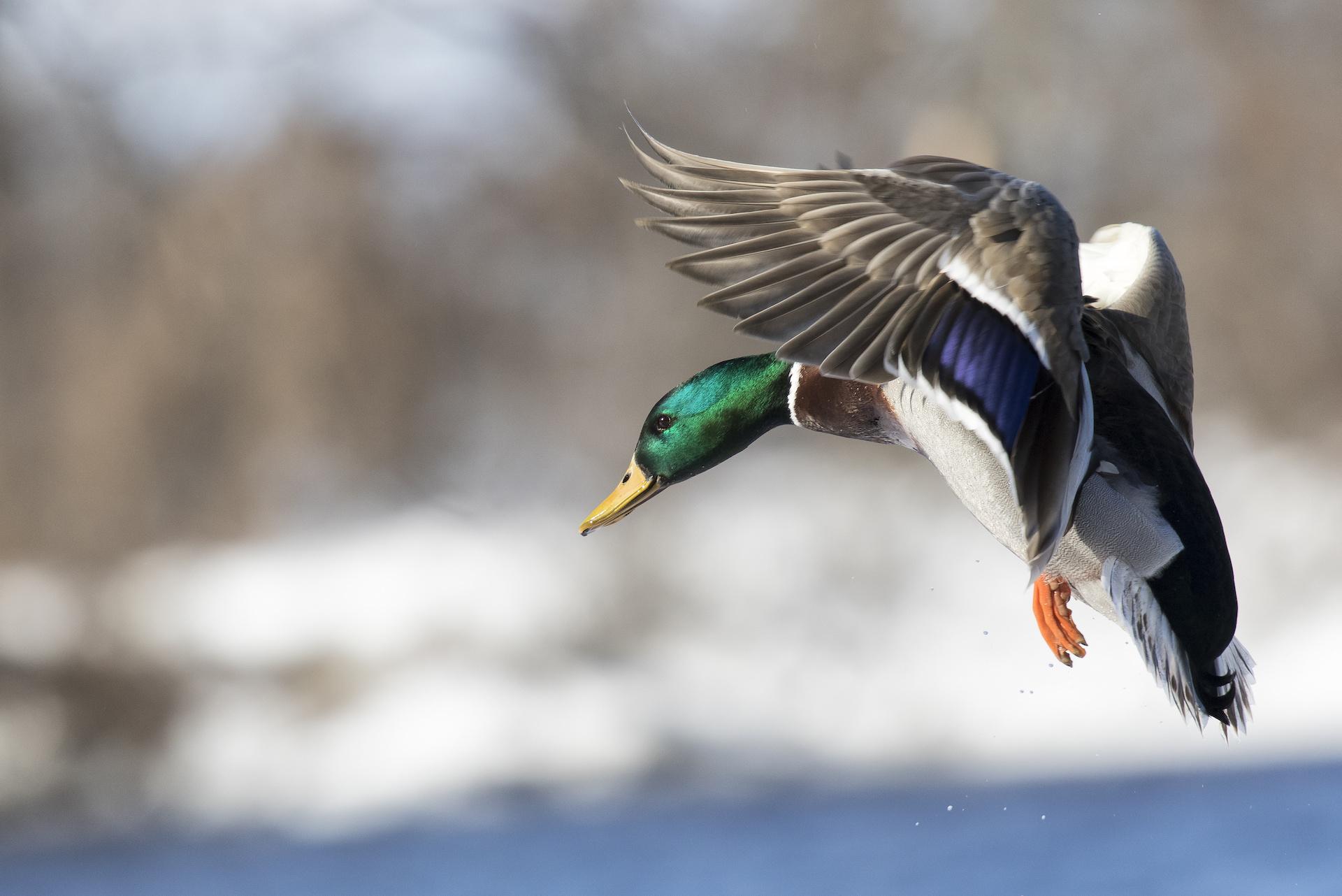
3. Notice what's nearby
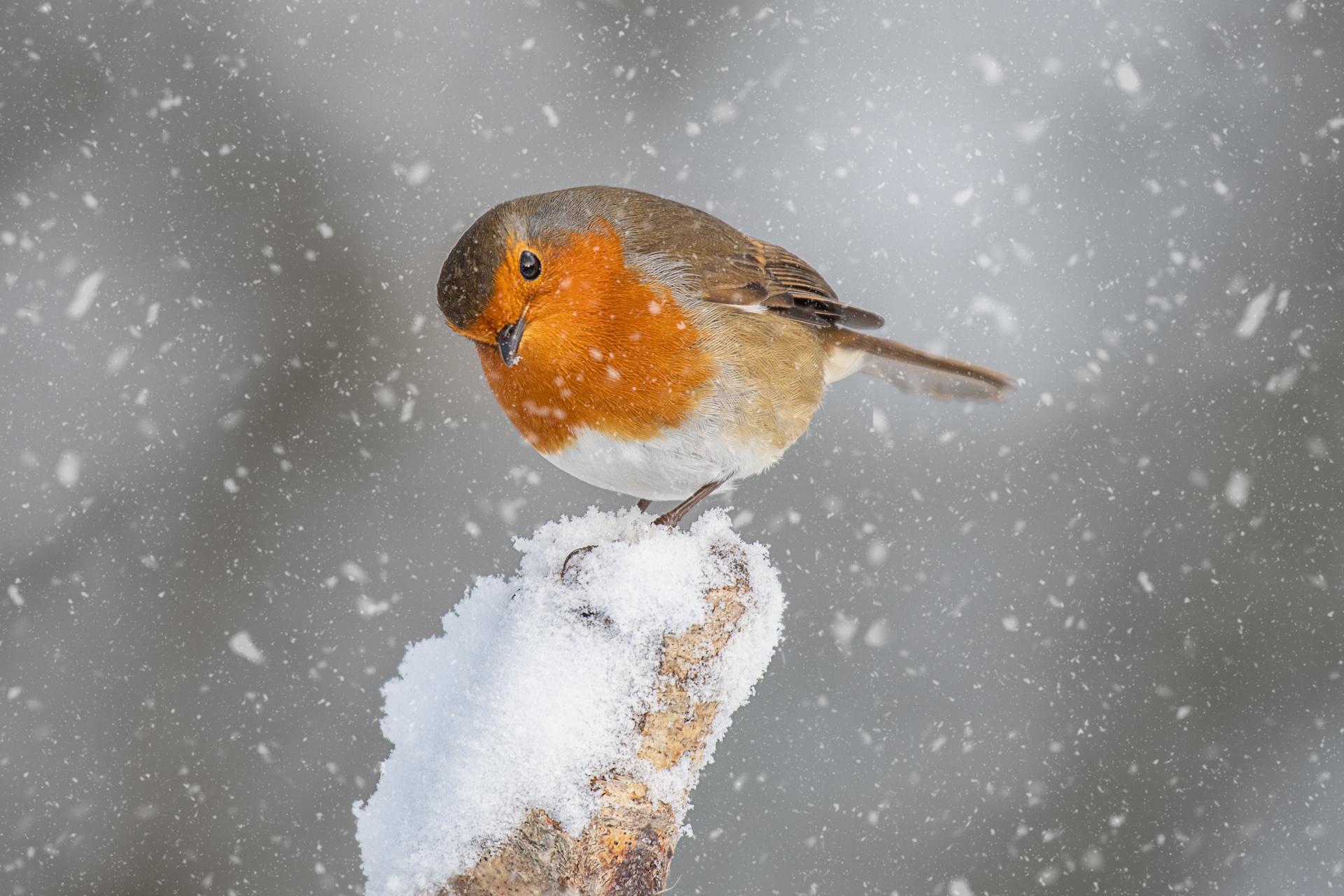
There's plenty of wildlife to spot right on our doorstep, particularly in urban parks and local paths - from ducks to deer. If feeding ducks, do not give them bread. Instead try sweetcorn, porridge oats, and bird seed.
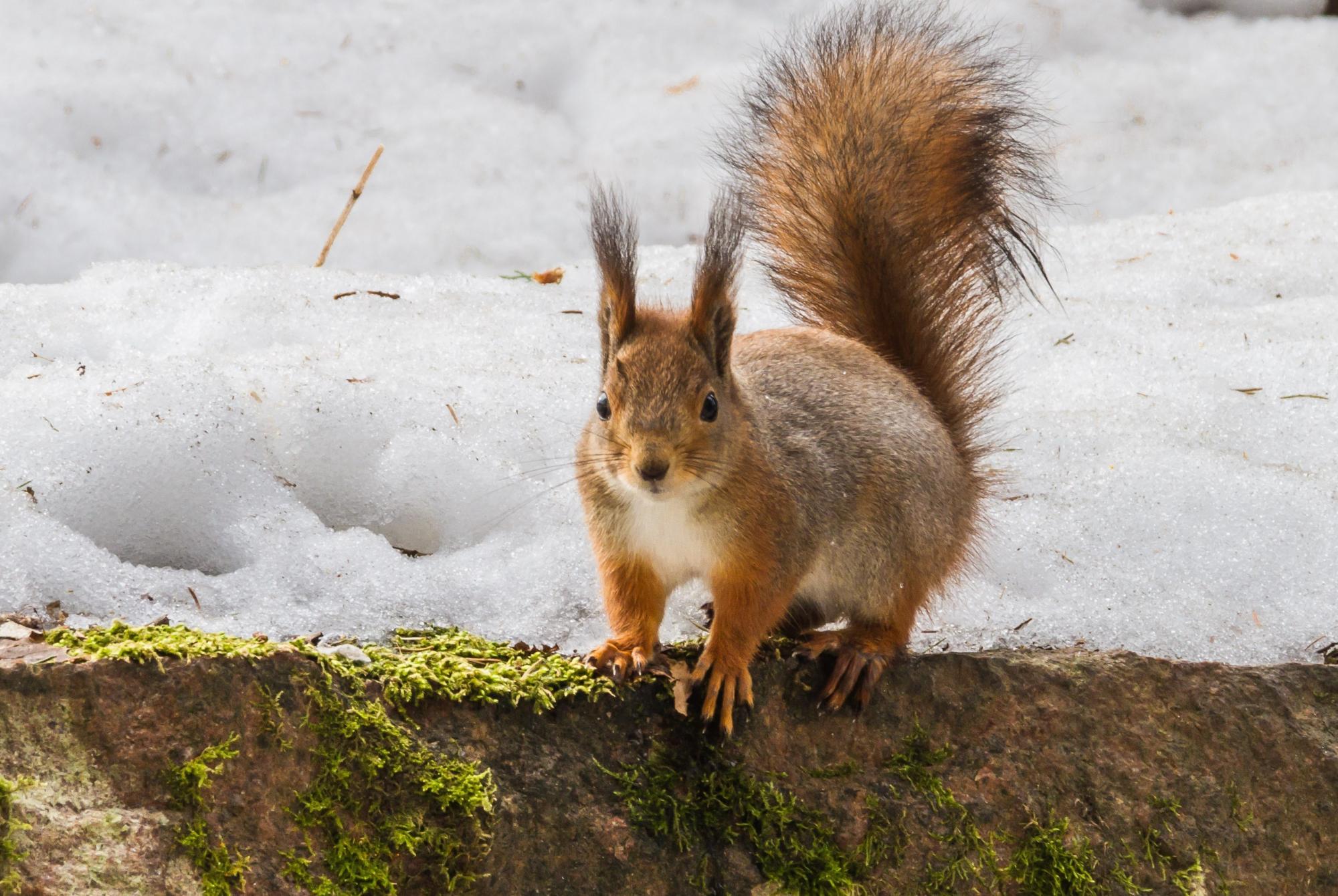
7. Share what you see
Submit sightings of any birds, animals, plants and more. The iRecord website and app is easy to use and collects everyday wildlife sightings, so they can be checked by experts to support research. Find out more about citizen science.
8. Take action now
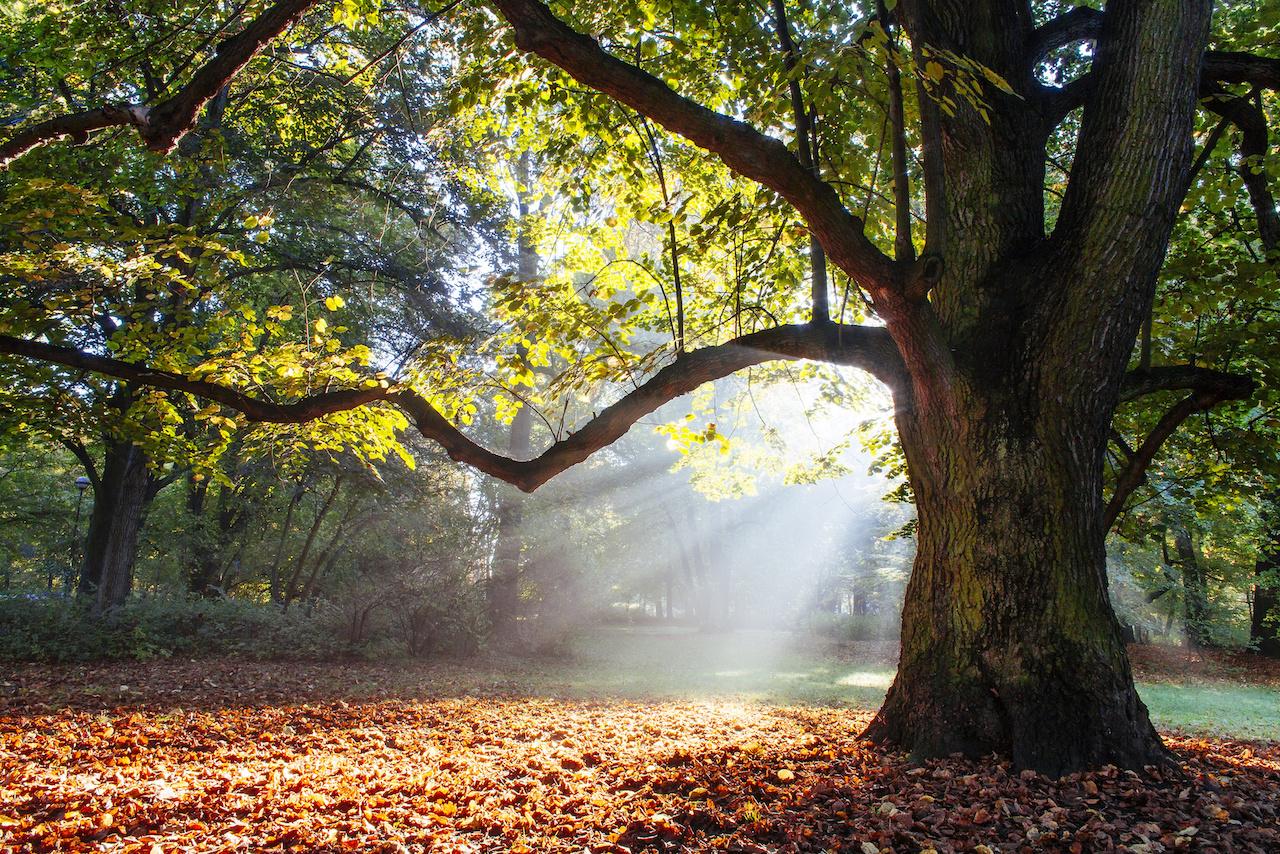
Following our tips helps nature, now and in the future. Spending time outdoors means you're more likely to care for and respect nature, thereby helping fight nature loss and climate change. See other ways to help ensure a greener, healthier and more resilient Scotland.
9. Learn outdoors
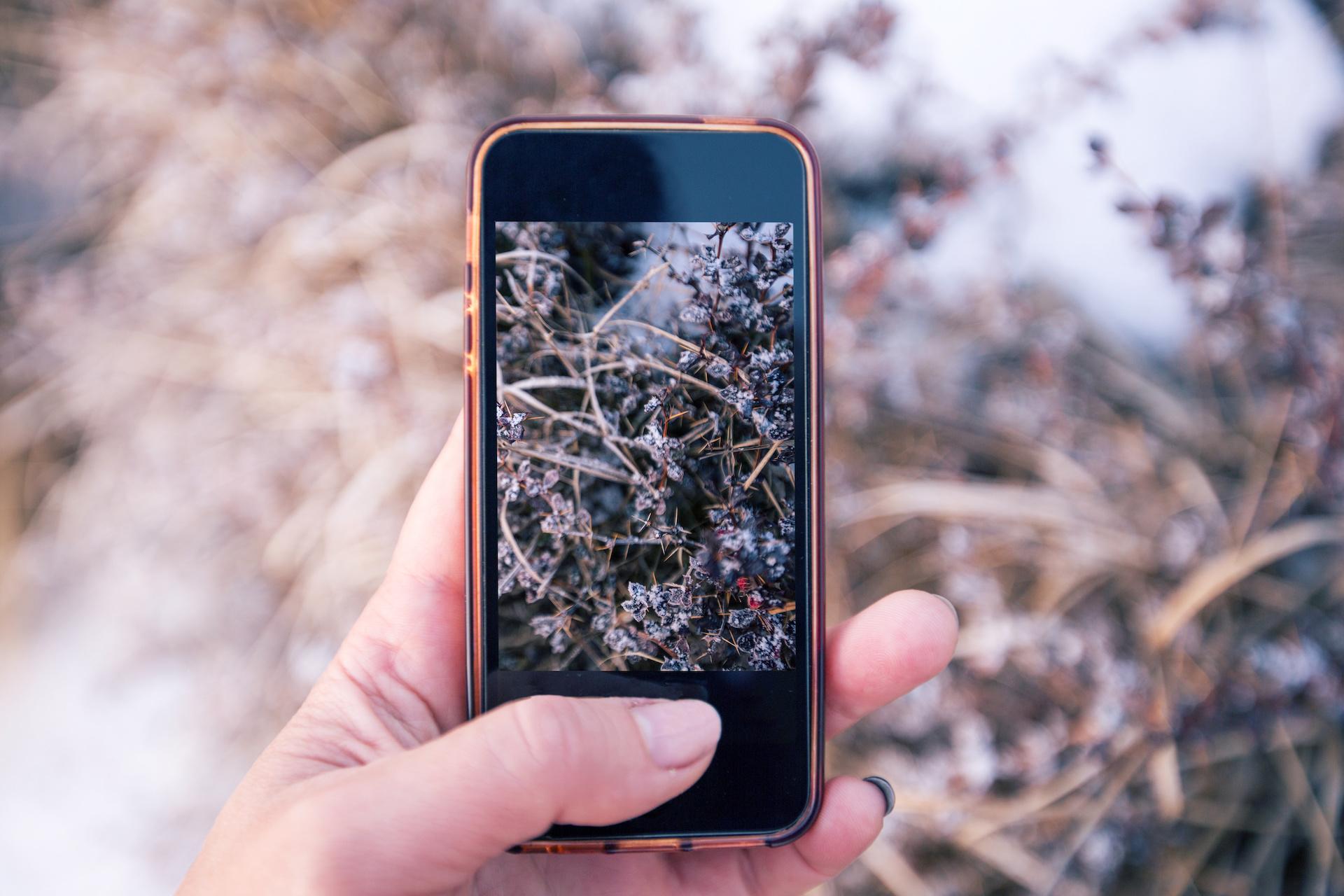
We all learn outdoors no matter our age. Try spotting frosty patterns on leaves, use bird ID apps, or simply listen to bird song. Be inspired or encourage your local school to check out the Outdoor Learning Directory or this page full of useful resources.

10. Enjoy the benefits
We de-stress, feel energised, and improve our physical and mental health when outdoors. Keep consistent - arrange walks with a friend, set a motivational alarm or head out at lunch to enjoy daylight and a daily dose of Vitamin D. Learn more about the many health benefits of getting outside.